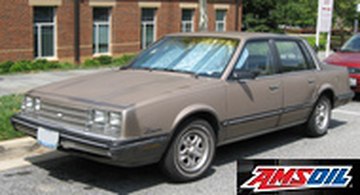
Maintaining Lubrication Integrity for the 1982 Chevrolet CELEBRITY 2.5L
Proper engine care for a vehicle of this era requires a focus on consistent monitoring and proactive inspection. For owners of a 1982 Chevrolet CELEBRITY equipped with the 2.5L engine, maintaining the lubrication system is a fundamental aspect of long-term mechanical health. Because older engines rely heavily on the quality and cleanliness of their fluids, establishing a reliable service routine is essential for preventing unnecessary wear and ensuring the vehicle remains operational.Monitoring Fluid Condition and Consumption
One of the most effective ways to monitor the health of the 2.5L engine is through regular observation of fluid levels and appearance. Rather than waiting for a warning light or a mechanical symptom, an owner can gain significant insight by performing periodic checks. When inspecting the oil, look for changes in color or texture. While oil naturally darkens over time due to use, extreme discoloration or a gritty texture can be a sign that the lubricant has reached the end of its effective service life. Additionally, if you notice the oil level dropping more frequently than expected between scheduled services, it warrants closer investigation. Changes in consumption rates can be associated with various factors, including aging seals or changes in operating conditions. It is also useful to observe the area around the engine for any signs of seepage. While small amounts of moisture near gaskets are not uncommon in older vehicles, persistent wetness or active dripping should be addressed. Identifying these signs early allows for more controlled maintenance decisions rather than reacting to unexpected mechanical issues.Systematic Inspection of Engine Components
A comprehensive approach to maintenance involves looking beyond just the oil itself. For a 1982 Chevrolet CELEBRITY, several peripheral components can impact how the engine performs and how well it maintains its lubrication. If equipped, inspect all accessible drive belts for signs of deterioration such as cracking, glazing, or fraying. Similarly, if the vehicle is equipped with various rubber hoses, check them for softness, swelling, or visible cracks. While these components are not part of the internal lubrication system, their condition is vital to the overall thermal management and operational stability of the engine. Electrical connections and wiring should also be inspected for signs of corrosion or heat damage. In older vehicles, brittle insulation or loose connectors can lead to inconsistent performance. Furthermore, ensuring that the air filtration system is clean is a simple but effective way to prevent contaminants from entering the combustion process, which indirectly helps maintain the purity of the engine oil by reducing the amount of debris that could potentially enter the crankcase.Prioritizing Maintenance Based on Current Condition
As vehicles age, the most effective maintenance strategy shifts from following generic schedules to a condition-based approach. For an owner of a 1982 Chevrolet CELEBRITY, this means using the actual state of the vehicle to dictate service priorities. If you are managing a vehicle with an incomplete service history, your first priority should be establishing a baseline. This involves performing a thorough inspection of all fluids and filters and documenting their condition. Once a baseline is established, you can more easily identify when a component is deviating from its normal state. When deciding where to allocate time and resources, address active concerns first. If there is evidence of a leak or an unusual noise, these should take precedence over routine cosmetic or non-essential maintenance. Distinguishing between necessary preventive maintenance—such as changing oil according to the application information provided on this page—and unnecessary parts replacement is key to efficient ownership. By focusing on what the engine actually needs based on its current physical state, you can maintain the vehicle effectively without performing redundant tasks.The Importance of Detailed Service Records
Maintaining a thorough history of all repairs and fluid changes is one of the most valuable tools for long-term ownership. For a 1982 Chevrolet CELEBRITY, having a written record provides several advantages:- Tracking Trends: Documentation allows you to see if oil consumption is increasing over time or if certain components are requiring more frequent attention.
- Informed Decision Making: When a mechanical issue arises, knowing exactly when the last service was performed can help narrow down potential causes.
- Value Preservation: A clear history of consistent maintenance demonstrates that the vehicle has been cared for, which is important for anyone managing the vehicle's long-term utility.
Managing Aging Materials and Seals
Over several decades, the materials used in engine construction—such as various gaskets and seals—can undergo changes due to heat cycles and age. While it is not a rule that every seal will fail, it is a practical reality that they may become less effective over time. Instead of assuming parts need replacement based solely on the vehicle's age, focus on visual evidence. Inspecting sealing surfaces for signs of seepage or residue can help you stay ahead of potential issues. If you notice oil appearing in areas where it was not previously present, it is a signal to investigate the source. This proactive monitoring is much more efficient than waiting for a significant leak to develop.Practical Guidance for Buying Engine Oil for your 1982 Chevrolet CELEBRITY 2.5L
When you are ready to replenish your engine's lubricant, the most important step is to ensure the product matches the specific requirements of your engine. Because different engines have unique needs regarding additive packages and base oils, you should never rely on general automotive knowledge or assumptions based on the vehicle's age. To select the correct product, match the engine oil to the application-specific viscosity information already displayed on this page. Always verify that the oil you purchase meets the appropriate API certification listed in your documentation. When shopping, consider the following:- Check the Label: Before completing a purchase, confirm that the SAE viscosity grade on the bottle is exactly what is required for your application.
- Evaluate Formulations: Depending on your specific needs and the condition of your engine, you may choose between conventional, synthetic blend, or full synthetic oils. Some high-mileage oil formulations also contain additives intended for use in aging engines, including seal-conditioning additives.
- Verify Quality: Ensure the product is from a reputable source and that the packaging is intact and properly sealed.